
Table of Contents
Introduction
What Is Powder Coating and How Does It Work?
Powder coating is a dry finishing process where finely ground particles of pigment and resin are electrostatically charged and sprayed onto a metal surface. Once applied, the coated part is cured under heat, which allows the powder to melt, flow, and form a smooth, continuous film. Unlike traditional liquid paint, powder coating contains no solvents, which means it releases very few volatile organic compounds (VOCs) during application. This makes it not only more environmentally friendly but also significantly more durable once cured.
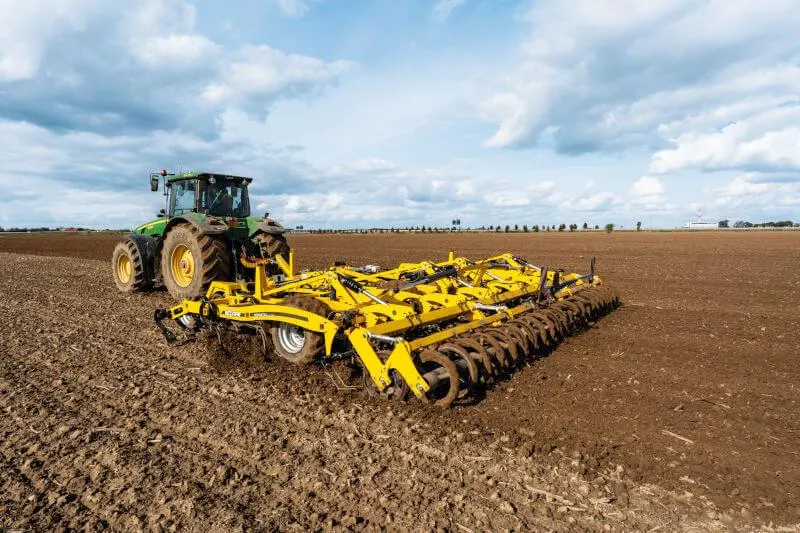
The absence of a liquid carrier also means the coating builds up more evenly, avoiding the drips, runs, and thin spots that are common with wet paint. For agricultural machinery, this even, thick film translates directly into better resistance against the wear and tear of daily field use. Because the finish bonds so tightly to the metal substrate, agricultural equipment powder coating tends to outlast conventional paint by a considerable margin, particularly on parts that are handled frequently or exposed to constant friction. This is exactly why a good powder coating powder for agriculture equipment is worth researching carefully before making a purchase decision.Why Agricultural Equipment Needs Specialized Powder Coating
Exposure to Moisture, Chemicals, and UV
Abrasion and Impact Resistance from Field Use
Types of Powder Coating Powder Used in Agriculture
Epoxy vs. Polyester Powder Coatings
Hybrid and Polyurethane Options for Heavy-Duty Use
Key Factors to Consider When Choosing a Powder Coating
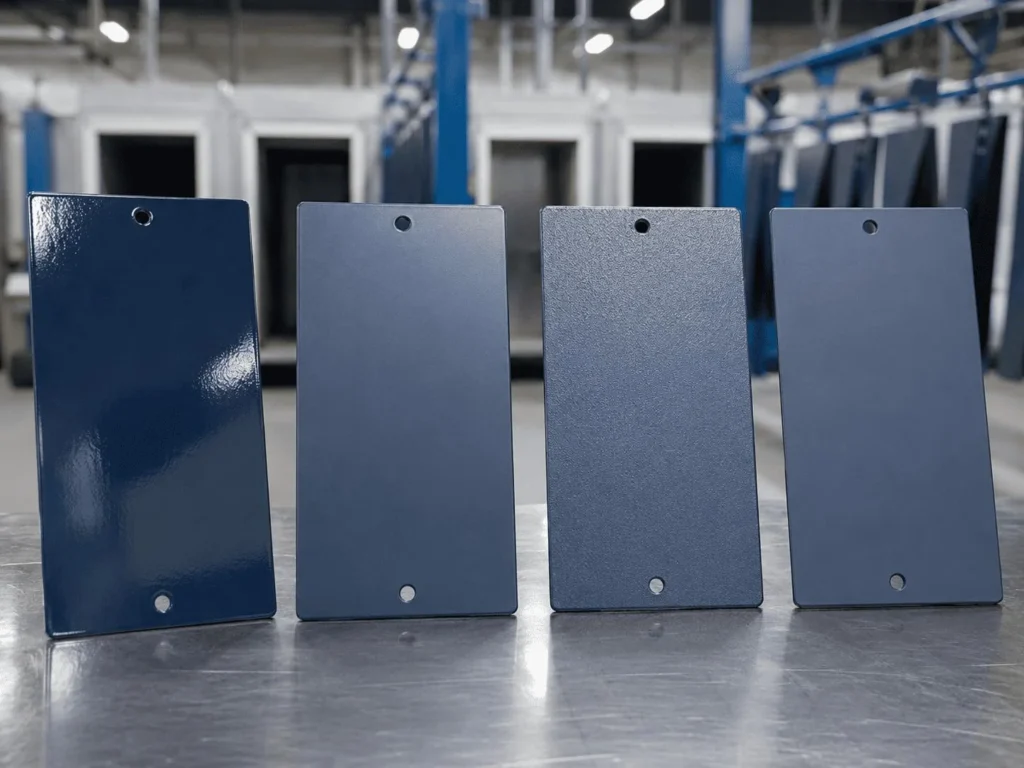
Corrosion Resistance and Operating Environment
Equipment Type, Finish Durability, and Compliance
Common Mistakes to Avoid When Selecting Powder Coating
Agriculture equipment should not be selected purely based on upfront cost. A cheaper option might save money initially but often results in earlier corrosion, more frequent recoating, and higher long-term maintenance expenses.
Another common oversight is ignoring substrate compatibility. Not every powder formulation bonds equally well with every type of metal, and mismatched combinations can lead to poor adhesion or premature peeling.
Pre-treatment is another step that’s often underestimated. Proper surface cleaning, degreasing, and phosphating before the coating is applied has a direct impact on how well the finish adheres and how long it lasts. Skipping or rushing this stage, even when using a high-quality powder, can undermine the entire coating’s performance.In short:
- Don’t prioritize price over long-term durability
- Always confirm substrate and powder compatibility
- Never skip proper surface pre-treatment
How to Evaluate a Powder Coating Supplier or Manufacturer
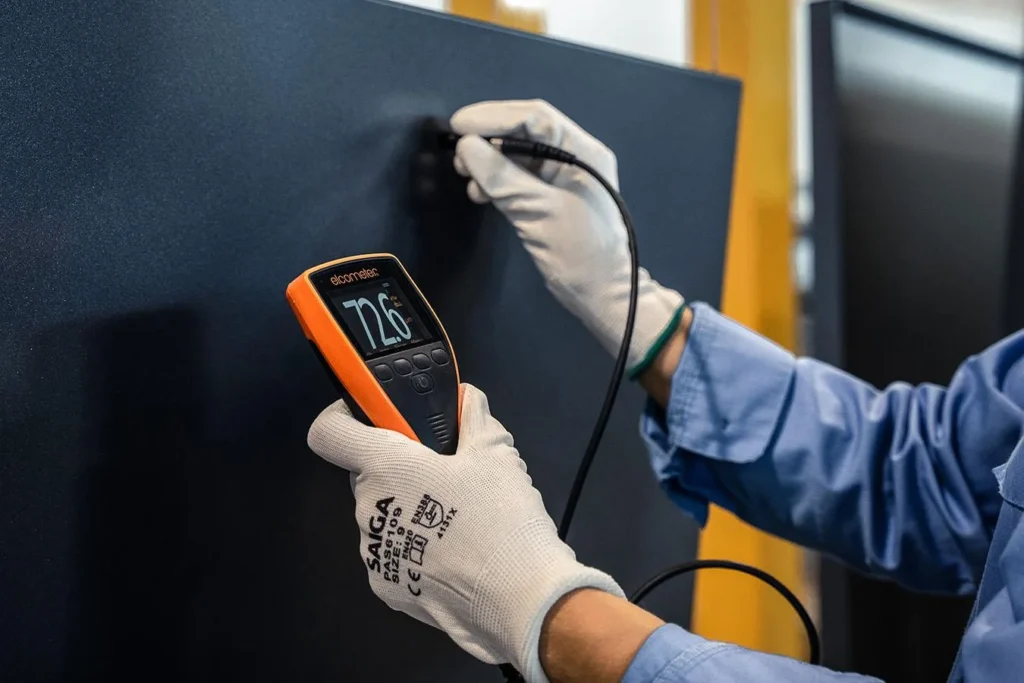
Once you understand what type of coating suits your equipment, the next step is finding a supplier who can deliver consistent quality. Ask potential suppliers about their testing protocols, the specific resin systems they use, and whether they can provide performance data such as salt-spray resistance and UV stability results. A reliable manufacturer should be transparent about the composition of their powder coating powder for agriculture equipment and willing to recommend the right product based on your actual use case rather than pushing a one-size-fits-all solution.
Experience in the agricultural sector specifically matters here. A supplier who regularly works with farm equipment manufacturers will understand the practical challenges, from chemical exposure to field abrasion, far better than a generic industrial coatings provider. Checking for consistent batch quality, proper certifications, and responsive technical support are all signs of a coating partner you can depend on for repeat business. You can review Prism’s technical specifications and product range to see how these evaluation criteria apply in practice.Conclusion
Choosing the best powder coating powder for agriculture equipment ultimately comes down to understanding your machinery’s operating environment, the type of stress it faces, and matching that with the right resin chemistry,whether epoxy, polyester, hybrid, or polyurethane. Taking the time to evaluate corrosion resistance, abrasion tolerance, and supplier reliability upfront pays off in fewer repairs, less downtime, and equipment that holds up season after season. If you’re ready to explore coating solutions built for the demands of agricultural use, get in touch with Prismcoats to find the right fit for your equipment.