
Choosing the Best Powder Coating Powder for Agriculture Equipment

Table of Contents

Introduction
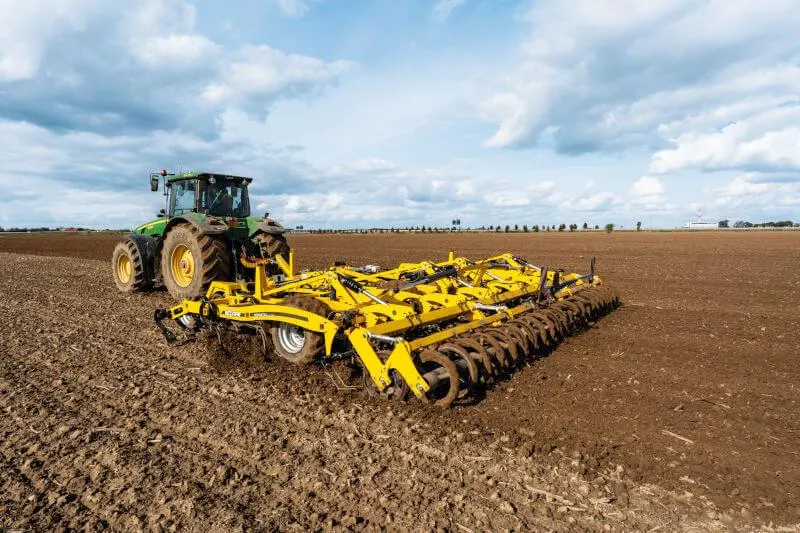
Agricultural equipment works under some of the toughest conditions any machinery faces, constant exposure to mud, moisture, fertilizers, pesticides, UV rays, and physical abrasion from soil and debris. This is why choosing the right powder coating powder for agriculture equipment is not just a cosmetic decision but a long-term investment in equipment durability and performance. Whether you manage a fleet of tractors, own a manufacturing unit that produces farm implements, or are simply researching coating options for the first time, understanding how the right powder coating powder for agriculture equipment protects your machinery can save significant time and money down the line. If you’re exploring options, Prism’s range of industrial coating solutions is a good starting point to understand what modern powder technology can offer.
Agricultural Equipment Powder Coating

What Is Powder Coating and How Does It Work?

Powder coating is a dry finishing process where finely ground particles of pigment and resin are electrostatically charged and sprayed onto a metal surface. Once applied, the coated part is cured under heat, which allows the powder to melt, flow, and form a smooth, continuous film. Unlike traditional liquid paint, powder coating contains no solvents, which means it releases very few volatile organic compounds (VOCs) during application. This makes it not only more environmentally friendly but also significantly more durable once cured.

The absence of a liquid carrier also means the coating builds up more evenly, avoiding the drips, runs, and thin spots that are common with wet paint. For agricultural machinery, this even, thick film translates directly into better resistance against the wear and tear of daily field use. Because the finish bonds so tightly to the metal substrate, agricultural equipment powder coating tends to outlast conventional paint by a considerable margin, particularly on parts that are handled frequently or exposed to constant friction. This is exactly why a good powder coating powder for agriculture equipment is worth researching carefully before making a purchase decision.

Why Agricultural Equipment Needs Specialized Powder Coating

Farm machinery doesn’t sit in a controlled environment. It is parked outdoors for months, driven through wet fields, sprayed with chemical treatments, and often left exposed to direct sunlight for years at a stretch. Choosing generic coatings without considering these realities is one of the most common reasons equipment finishes fail prematurely, which is why a properly formulated powder coating powder for agriculture equipment matters so much for long-term reliability.

Exposure to Moisture, Chemicals, and UV

Farm equipment powder coating has to withstand near-constant contact with moisture, whether from rain, dew, irrigation systems, or washdown procedures. Combine that with regular exposure to fertilizers and pesticides, many of which are chemically aggressive, and it becomes clear why a corrosion resistant powder coating is non-negotiable for anything used in agriculture. UV exposure adds another layer of stress, as prolonged sunlight can cause ordinary coatings to fade, chalk, or become brittle over time. A well-formulated powder coating powder for agriculture equipment is engineered specifically to resist this combination of moisture, chemical contact, and sun damage without breaking down.

Abrasion and Impact Resistance from Field Use

Beyond environmental exposure, agricultural machinery also endures constant physical stress. Soil particles, gravel, crop debris, and general mechanical contact all contribute to surface abrasion. Implements like plows, harrows, and seed drills are particularly vulnerable since they are in direct contact with soil for extended periods. A coating that lacks sufficient hardness or flexibility will chip or wear away quickly, exposing bare metal to rust. This is where selecting the correct powder coating for agricultural machinery becomes essential the formulation needs enough flexibility to absorb minor impacts without cracking, while still being hard enough to resist scratching.

Types of Powder Coating Powder Used in Agriculture

Not all powder coatings perform the same way, and understanding the basic chemistry behind each type helps in making an informed choice for your specific equipment needs. Picking the right powder coating powder for agriculture equipment starts with knowing what each resin type actually offers.

Epoxy vs. Polyester Powder Coatings

Epoxy powders are known for excellent adhesion and strong chemical resistance, making them a popular choice for parts that face frequent contact with fertilizers or fuel. However, epoxy coatings tend to chalk and degrade when exposed to prolonged UV light, which limits their suitability for equipment left outdoors year-round. Polyester powders, on the other hand, offer much better UV stability and weather resistance, though they may not match epoxy’s chemical resistance in extreme cases. For most exterior-facing agricultural equipment powder coating applications, polyester or a polyester-based system tends to be the more practical long-term choice.

Hybrid and Polyurethane Options for Heavy-Duty Use
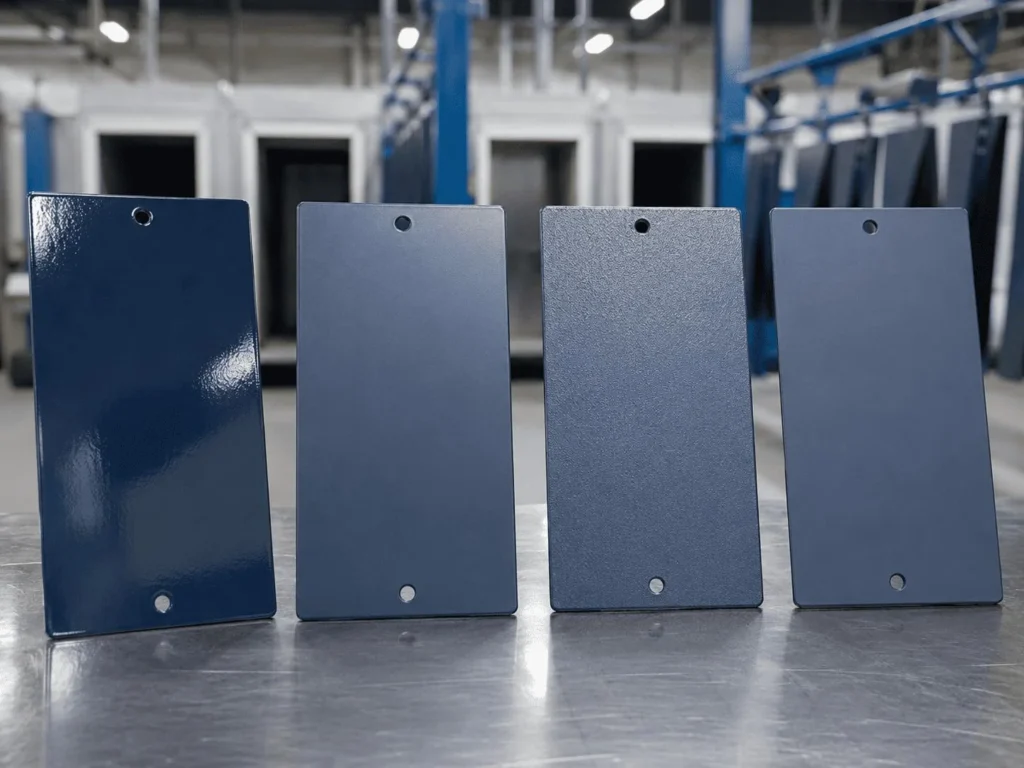
Hybrid powders, which combine epoxy and polyester resins, attempt to balance the strengths of both, offering reasonable chemical resistance along with improved outdoor durability compared to pure epoxy. For equipment that demands the highest level of protection, polyurethane-based powder coatings are often preferred. These formulations provide excellent gloss retention, superior hardness, and strong resistance to both UV degradation and mechanical wear, making them well suited for high-value implements that need to maintain their appearance and protective qualities over many seasons.
Epoxy vs Polyester Powder Coating

Key Factors to Consider When Choosing a Powder Coating

Selecting the right coating isn’t just about picking a popular type, it requires evaluating your equipment’s specific operating conditions and functional requirements. This decision process is really at the heart of choosing the right powder coating powder for agriculture equipment for your fleet.

Corrosion Resistance and Operating Environment

The environment your equipment operates in should be the starting point of your decision. Machinery used in humid, coastal, or high-rainfall regions requires a more aggressive corrosion resistant powder coating than equipment used in drier climates. Similarly, if your machinery comes into regular contact with livestock waste, fertilizers, or irrigation water, chemical resistance should weigh heavily in your final choice. Taking the time to match the coating chemistry to the actual field conditions is what separates a durable coating for farm equipment from one that fails within a season or two.

Equipment Type, Finish Durability, and Compliance

Different pieces of equipment call for different priorities. A tractor’s exterior panels may prioritize color retention and gloss for aesthetic and resale value, while a plow blade or cultivator tooth needs maximum abrasion resistance above all else. Storage bins and grain handling equipment often need coatings that are food-safe or meet specific regulatory standards, depending on your region. Reviewing industry-standard testing benchmarks such as salt-spray resistance hours and film thickness specifications can help you compare options more objectively rather than relying on marketing claims alone.

Common Mistakes to Avoid When Selecting Powder Coating

Agriculture equipment should not be selected purely based on upfront cost. A cheaper option might save money initially but often results in earlier corrosion, more frequent recoating, and higher long-term maintenance expenses.

Another common oversight is ignoring substrate compatibility. Not every powder formulation bonds equally well with every type of metal, and mismatched combinations can lead to poor adhesion or premature peeling.

Pre-treatment is another step that’s often underestimated. Proper surface cleaning, degreasing, and phosphating before the coating is applied has a direct impact on how well the finish adheres and how long it lasts. Skipping or rushing this stage, even when using a high-quality powder, can undermine the entire coating’s performance.In short:

  • Don’t prioritize price over long-term durability
  • Always confirm substrate and powder compatibility
  • Never skip proper surface pre-treatment
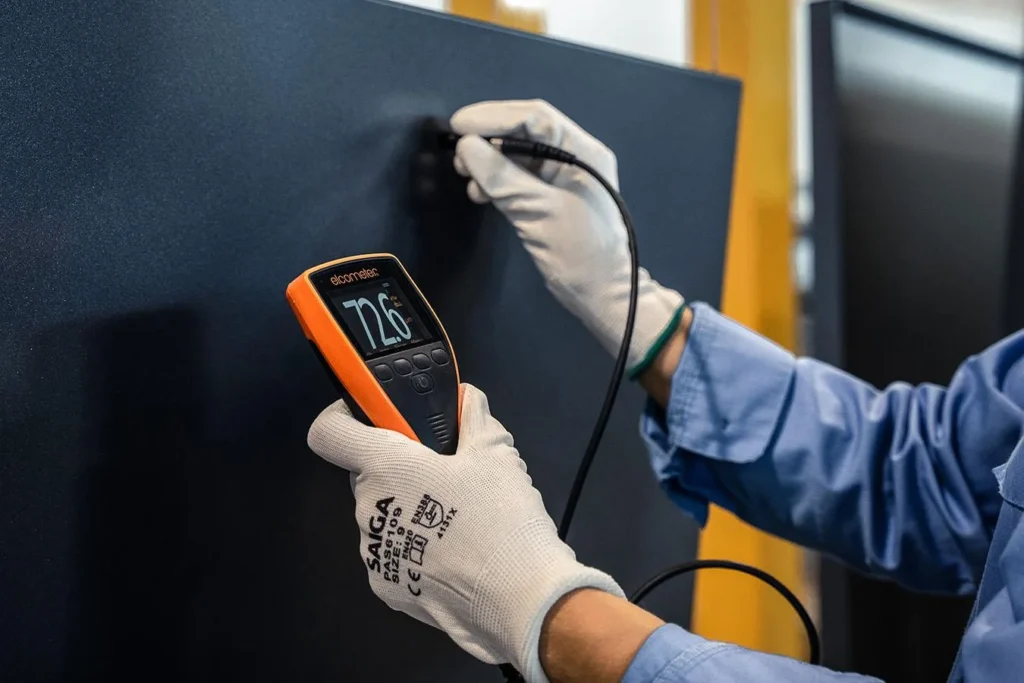
Quality & Performance Testing

How to Evaluate a Powder Coating Supplier or Manufacturer

Once you understand what type of coating suits your equipment, the next step is finding a supplier who can deliver consistent quality. Ask potential suppliers about their testing protocols, the specific resin systems they use, and whether they can provide performance data such as salt-spray resistance and UV stability results. A reliable manufacturer should be transparent about the composition of their powder coating powder for agriculture equipment and willing to recommend the right product based on your actual use case rather than pushing a one-size-fits-all solution.

Experience in the agricultural sector specifically matters here. A supplier who regularly works with farm equipment manufacturers will understand the practical challenges, from chemical exposure to field abrasion, far better than a generic industrial coatings provider. Checking for consistent batch quality, proper certifications, and responsive technical support are all signs of a coating partner you can depend on for repeat business. You can review Prism’s technical specifications and product range to see how these evaluation criteria apply in practice.

Conclusion

Choosing the best powder coating powder for agriculture equipment ultimately comes down to understanding your machinery’s operating environment, the type of stress it faces, and matching that with the right resin chemistry,whether epoxy, polyester, hybrid, or polyurethane. Taking the time to evaluate corrosion resistance, abrasion tolerance, and supplier reliability upfront pays off in fewer repairs, less downtime, and equipment that holds up season after season. If you’re ready to explore coating solutions built for the demands of agricultural use, get in touch with Prismcoats to find the right fit for your equipment.

Scroll to Top